Hardware info
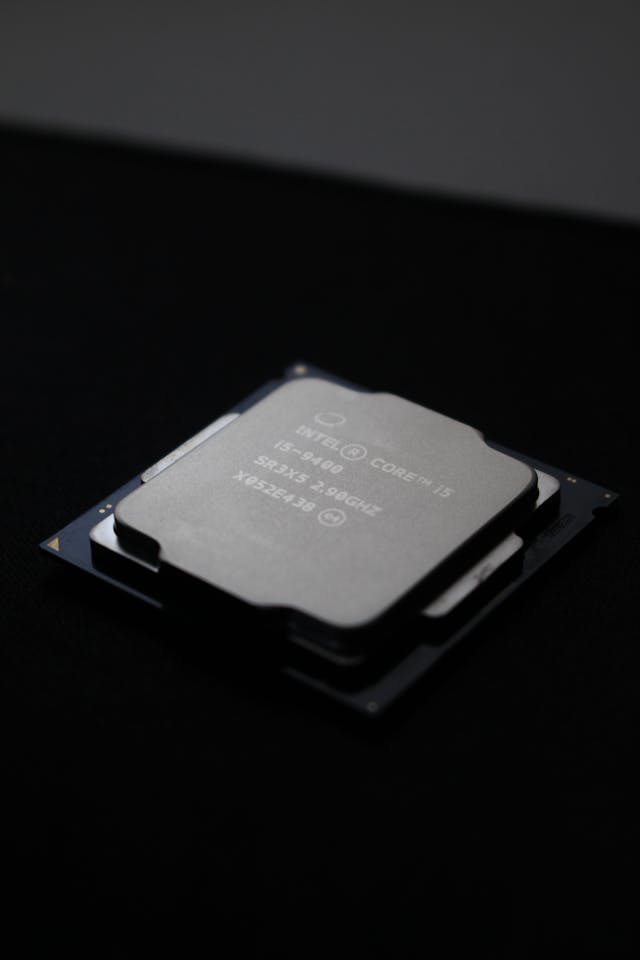
CPU
Modern CPUs feature multiple cores and threads to handle simultaneous tasks efficiently. CPUs from Intel’s 13th and 14th generations tend to throttle more easily under heavy workloads because they have higher power limits and denser core architectures, which produce significantly more heat. This necessitates more advanced cooling solutions.
L1, L2, and L3 cache serve as high-speed memory layers inside the CPU to reduce data access times.
- L1 cache is the smallest and fastest, located closest to the core.
- L2 cache is larger and serves as a secondary buffer.
- L3 cache is shared among all cores and holds larger chunks of frequently accessed data.
Load Line Calibration (LLC) is a BIOS feature that adjusts how the CPU handles voltage drops under load (VDroop). Higher LLC levels help maintain voltage stability during overclocking.
AMD’s 3D V-Cache CPUs are particularly effective in gaming because they feature a vertically stacked L3 cache on top of the CPU die, significantly improving memory access speed in games that benefit from low latency and high cache availability.
When selecting CPUs for mobile devices, ARM architecture is generally preferred over x86 due to its power efficiency and reduced instruction complexity, making it ideal for battery-powered devices. Other RISC-based architectures like RISC-V also aim to offer low power consumption, but ARM remains the dominant choice.
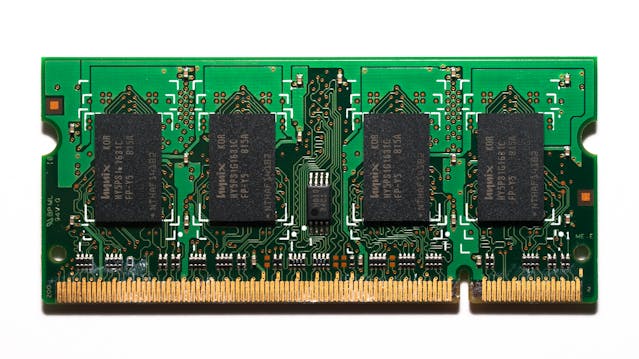
RAM
DDR5 memory operates at much higher frequencies compared to DDR4, but high-speed DDR5 (e.g., 7200MT/s) may underperform lower-speed kits (like DDR5-6000) due to increased CAS latency and instability caused by Integrated Memory Controller (IMC) limitations on CPUs. A frequency like 6000MT/s is often the sweet spot for both performance and stability.
Z790 motherboards often use a daisy-chain memory topology, which routes signals to one DIMM slot before the next. This layout improves signal integrity for single-rank DIMMs, offering better overclocking headroom compared to T-topology.
ECC (Error-Correcting Code) RAM is designed to detect and correct single-bit memory errors automatically. It’s used in servers, workstations, and data centers where stability and accuracy are critical. ECC RAM is not typically found in consumer gaming PCs.
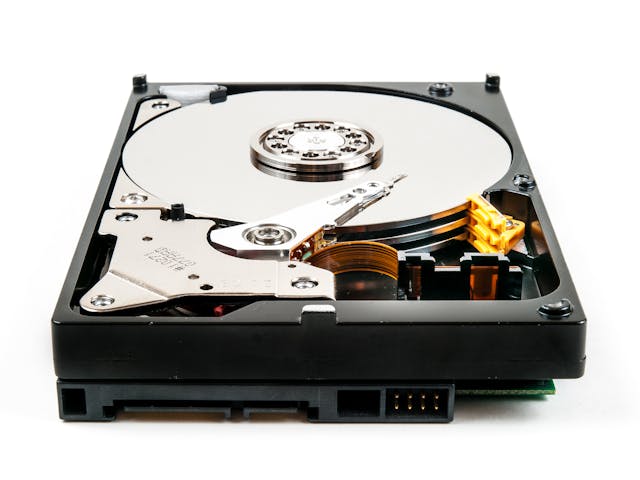
Storage (HDD & NAND Flash)
Solid State Drives (SSDs) use NAND flash memory and have largely replaced traditional HDDs due to faster performance and increased durability. SSDs perform better with the help of TRIM, a command that tells the SSD which blocks of data are no longer in use, allowing the controller to clear and reuse blocks efficiently, improving write performance and longevity.
There are four common types of NAND flash used in SSDs:
- SLC (Single-Level Cell) stores 1 bit per cell, offering the best performance and endurance.
- MLC (Multi-Level Cell) stores 2 bits per cell, balancing performance and cost.
- TLC (Triple-Level Cell) stores 3 bits per cell and is commonly used in consumer SSDs.
- QLC (Quad-Level Cell) stores 4 bits per cell, offering higher storage capacity at the cost of lower endurance and performance.
A key weakness of QLC NAND is that once its SLC cache is exhausted, sustained write speeds collapse, making it unsuitable for write-intensive workloads. QLC SSDs are best used in read-heavy, cost-sensitive applications.
PCIe Gen5 NVMe SSDs offer extreme bandwidth (up to 13+ GB/s), but they produce significant heat, often requiring active cooling (fans or heatsinks). Without proper cooling, these drives can throttle, reducing performance.
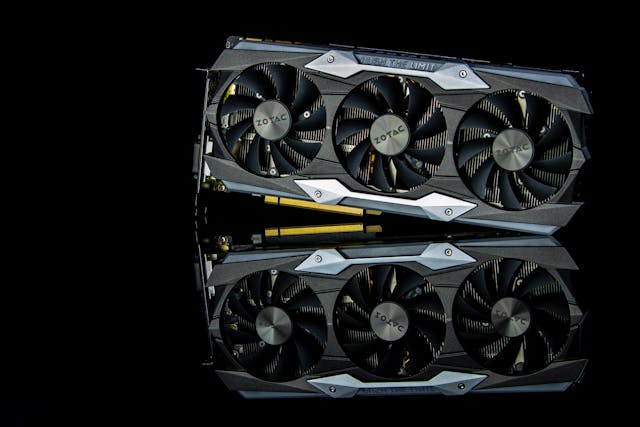
GPU
Modern GPUs are designed not only for gaming but also for creative and scientific workloads. Ray tracing is a feature in GPUs that simulates how light behaves in the real world, allowing for realistic lighting, reflections, and shadows in games and visual content.
To improve stability and power delivery, RTX 40-series GPUs utilize the 12VHPWR standard, a new connector capable of supplying up to 600W with better handling of transient power spikes, which caused issues with older PSUs.
Some GPUs can work together to render graphics using technologies like NVIDIA SLI and AMD CrossFire, though these multi-GPU setups are now rarely supported in modern games due to poor software scaling and increased complexity.
Power Supply Units
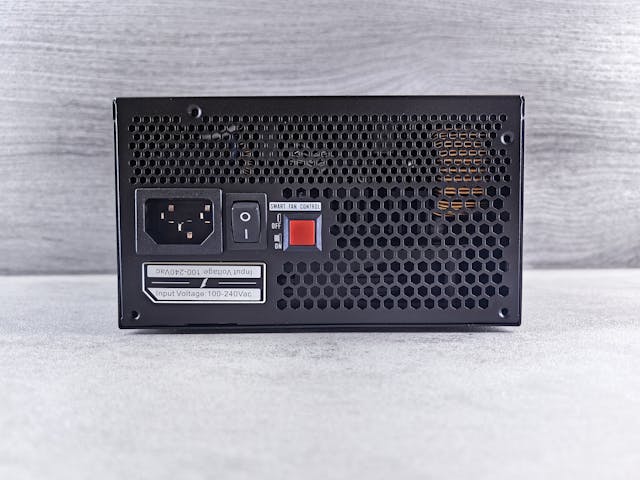
When choosing a power supply for high-end GPUs like the RTX 4090, it's critical to select a PSU with high transient load response capacity. This means the PSU can handle short bursts of power demand without crashing or shutting down. Power draw can spike significantly under sudden loads, even if average consumption remains stable.
Modular power supplies are preferred in gaming and enthusiast builds because they allow users to connect only the cables they need, reducing case clutter and improving airflow, which in turn benefits thermal performance and aesthetics.
Motherboard
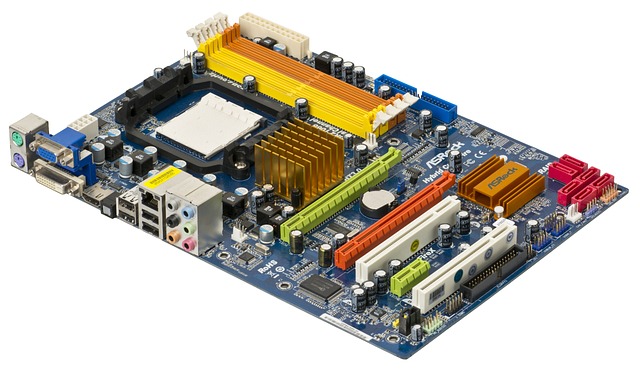
Voltage Regulator Modules (VRMs) on a motherboard are responsible for converting and supplying stable voltage to the CPU and GPU. High-quality VRMs are essential for CPU stability, especially during overclocking or under sustained workloads.
Liquid metal thermal interface materials, while offering superior conductivity, are not safe for all cooling materials. When liquid metal comes into contact with aluminum cold plates, galvanic corrosion can occur, damaging the cooler. Therefore, copper or nickel-plated surfaces are recommended for liquid metal applications.

System-Level Concepts
Bottlenecking occurs when a slower or weaker component (e.g., CPU) limits the performance of a faster one (e.g., GPU). It’s a common issue in mismatched systems where the full potential of a component isn’t realized because another part is holding it back.